Why Do I Feel So Burnt Out? Redefining Resilience for Helping Professionals in 2026

Summary
If you work in education, healthcare, or social services in South Wales, you've probably asked yourself: why am I so exhausted, and why does my normal coping mechanism no longer work? The answer may lie in how we've been thinking about resilience all wrong.
If you work in education, healthcare, or social services in South Wales, you've probably asked yourself lately: "Why am I so exhausted, and why does my normal coping mechanism no longer work?"
You hear the word "resilience" in staff meetings or wellness seminars, but it often carries a hidden, exhausting message: Things are incredibly difficult right now, and you just need to learn how to bounce back. For helping professionals, this traditional view of resilience can feel less like a lifeline and more like a heavy burden. It implies that if you are feeling burnt out, stressed, or anxious, you simply aren't trying hard enough.
But what if the problem isn't your lack of resilience? As the field of psychology evolves in 2026, the clinical landscape is shifting dramatically. At Ardolino Counselling in Barry, we are embracing these new, evidence-based frameworks to offer therapy that doesn't just ask you to endure, but actually helps you thrive.
What is the new science of resilience, and why does "bouncing back" feel so hard?
Historically, many therapeutic approaches focused on challenging and changing negative thoughts to force a "positive" outlook. Whilst effective for some, this can feel like a battle against your own mind — especially when your stress is a completely valid reaction to a broken system, a demanding classroom, or an overwhelming caseload.
So, how is therapy changing for burnout? In 2026, clinical focus has shifted toward what we call "Third-Wave" interventions. According to recent 2026 research published in MDPI exploring cognitive behavioural frameworks, modern resilience isn't about ignoring your stress; it relies heavily on building psychological flexibility.
Instead of forcing you to "fix" your stress, Third-Wave therapies like Acceptance and Commitment Therapy (ACT) ask: "How can we change your relationship with these difficult thoughts?"
- Self-Compassion over Self-Correction: Instead of criticising yourself for feeling overwhelmed, you learn to treat yourself with the same deep compassion you offer your students or patients.
- Values-Driven Action: Finding ways to reconnect with the core reasons you entered your profession, even when the daily reality is incredibly difficult.
Resilience isn't about ignoring the weight you carry; it's about building the psychological strength to carry it without losing yourself in the process.
Is online therapy actually effective for helping professionals?
Another major question we hear is, "Will I actually get anything out of talking to a screen?"
Following recent national health initiatives, digital therapy has become a permanent fixture of mental health support. But the benefits go far beyond simple convenience. For helping professionals, there is an immense pressure to maintain a "strong" exterior. Asking for help can feel incredibly vulnerable.
Fascinatingly, the digital space can actually make it easier to open up. Recent peer-reviewed studies on online disclosure dynamics and counsellor perspectives reveal that the slight physical distance of a screen can facilitate deeper honesty for privacy-sensitive clients.
Why does online therapy work so well for caregivers?
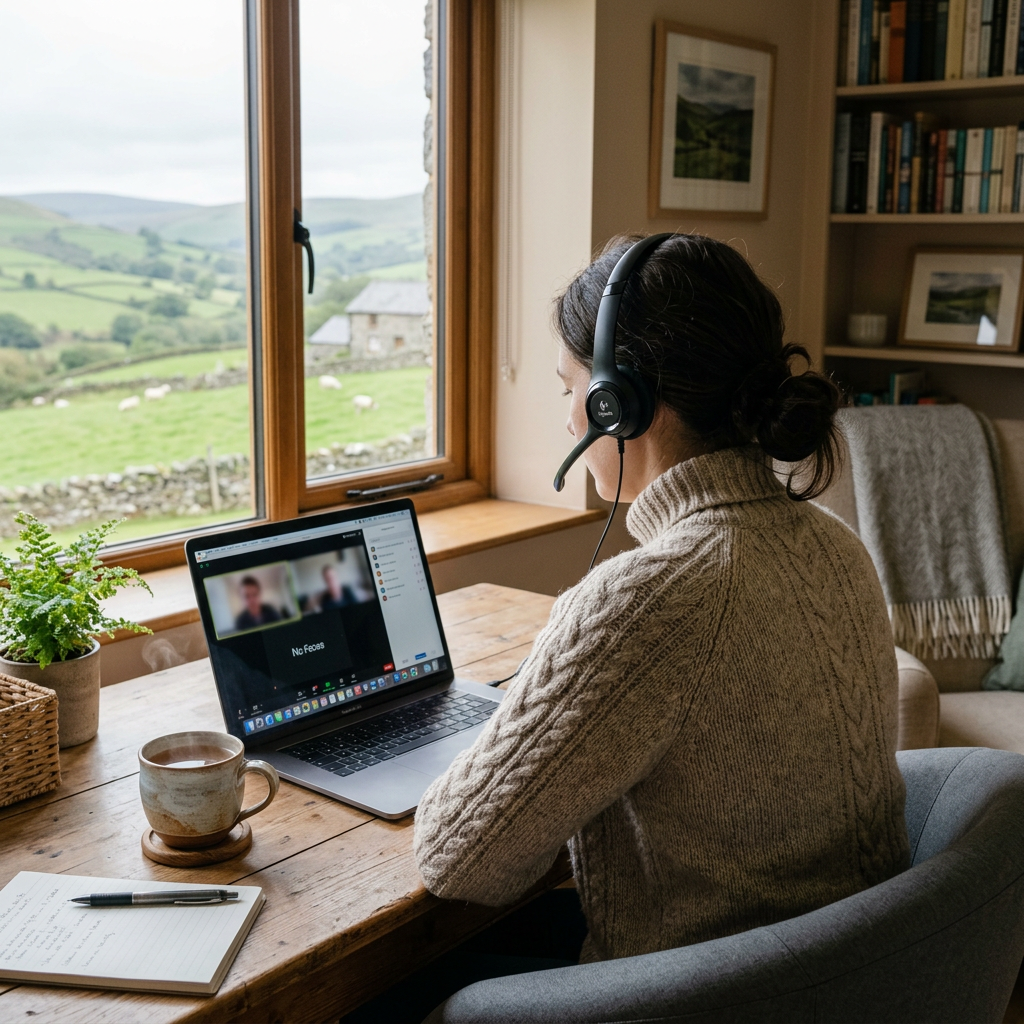
- The "Privacy Shield": Engaging in therapy from the sanctuary of your own home reduces the anxiety of running into someone you know — a common concern in close-knit communities like the Vale of Glamorgan.
- Dropping the Professional Mask: The digital barrier lowers the threshold for vulnerability, allowing you to drop the "expert" persona more quickly.
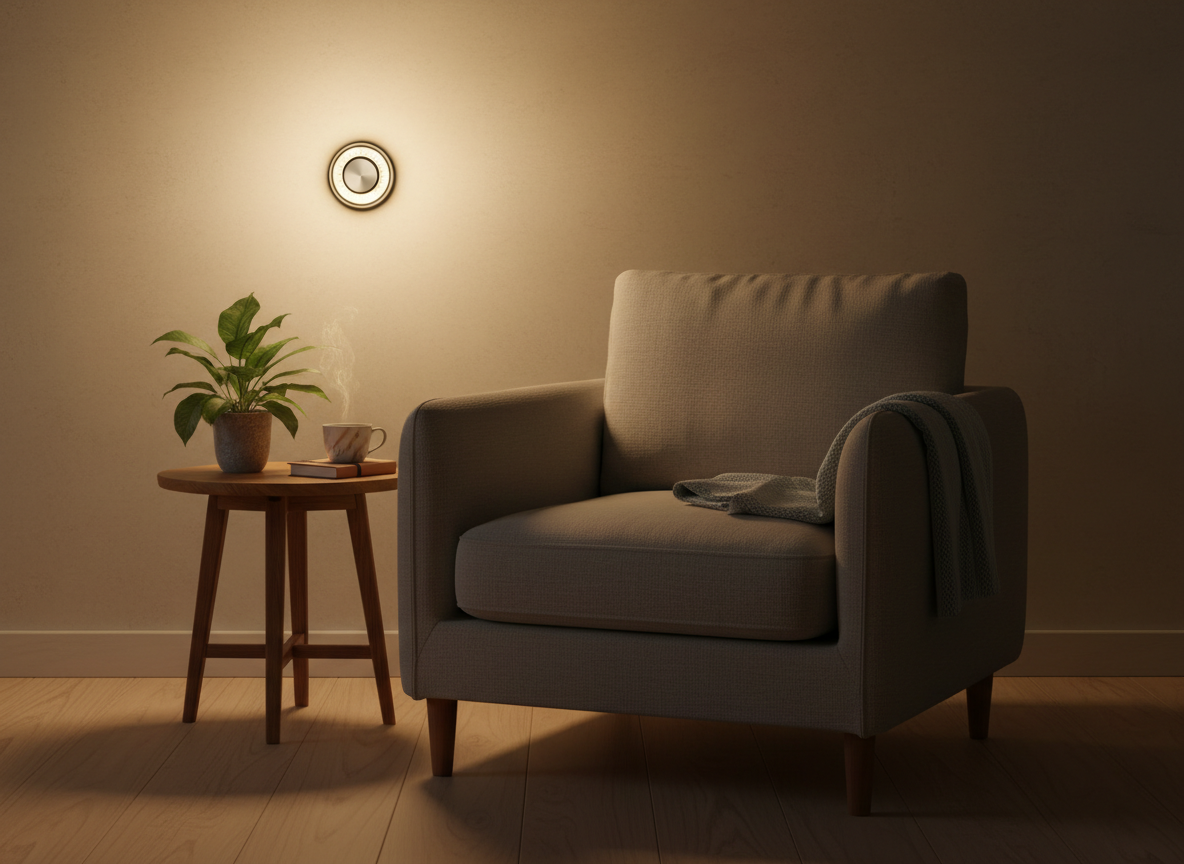
- Real-Life Integration: You can process your work stress right from the armchair where you usually decompress, bridging the gap between therapy and your daily life.
How can I find the right support for burnout in South Wales?
The psychological professions are moving far away from the idea that mental health care is a "stiff upper lip" endeavour. The data and the therapeutic models of 2026 all point toward a more personalised, compassionate, and flexible approach.
If you are a teacher running on empty, a nurse carrying the emotional weight of your ward, or a social worker stretched too thin, you do not need to simply "bounce back." You need a space where you can safely fall apart, figure out what truly matters to you, and build a way forward that honours your humanity.
At Ardolino Counselling, whether we work together in our Barry clinic or securely online, our goal is to help you build this new, authentic resilience.
You spend your life holding space for others. Isn't it time you let someone hold space for you?
Frequently Asked Questions About Burnout & Therapy
What are the most common signs of burnout in helping professionals?
Burnout goes far beyond standard end-of-the-week tiredness. Key signs include profound emotional exhaustion, a growing sense of cynicism or detachment from your students or patients, and a feeling that your hard work no longer makes a difference (often called "reduced personal accomplishment"). If you find yourself dreading the workday, feeling numb to situations that used to spark your empathy, or feeling completely depleted even after a weekend of rest, these are strong indicators of burnout.
How is Acceptance and Commitment Therapy (ACT) different from traditional CBT?
Whilst traditional Cognitive Behavioural Therapy (CBT) often focuses on identifying and changing negative thoughts, ACT takes a different, "Third-Wave" approach. Instead of fighting your thoughts or forcing yourself to think positively, ACT helps you change your relationship with those thoughts. We use mindfulness and defusion techniques so you can acknowledge difficult feelings without getting "hooked" by them. This allows you to stop battling your mind and start taking actions that align with your core values.
Is online counselling truly private and effective?
Yes. Recent 2026 clinical research confirms that online therapy is not only highly effective but can actually help privacy-sensitive clients open up more easily. At Ardolino Counselling, we use fully encrypted, secure video platforms to ensure your sessions remain 100% confidential. This gives you the flexibility to access professional, dedicated support from the comfort and privacy of your own home, without the worry of running into colleagues or students in a waiting room.
Where are you based, and do you only see clients online?
Ardolino Counselling is a private therapy practice based in Barry, South Wales. We specialise in supporting helping professionals — such as teachers, healthcare workers, and social workers — across the Vale of Glamorgan. We offer both in-person sessions in our Barry clinic and flexible online counselling for professionals throughout the UK who prefer the convenience of digital support.
Explore Related Services
Written by
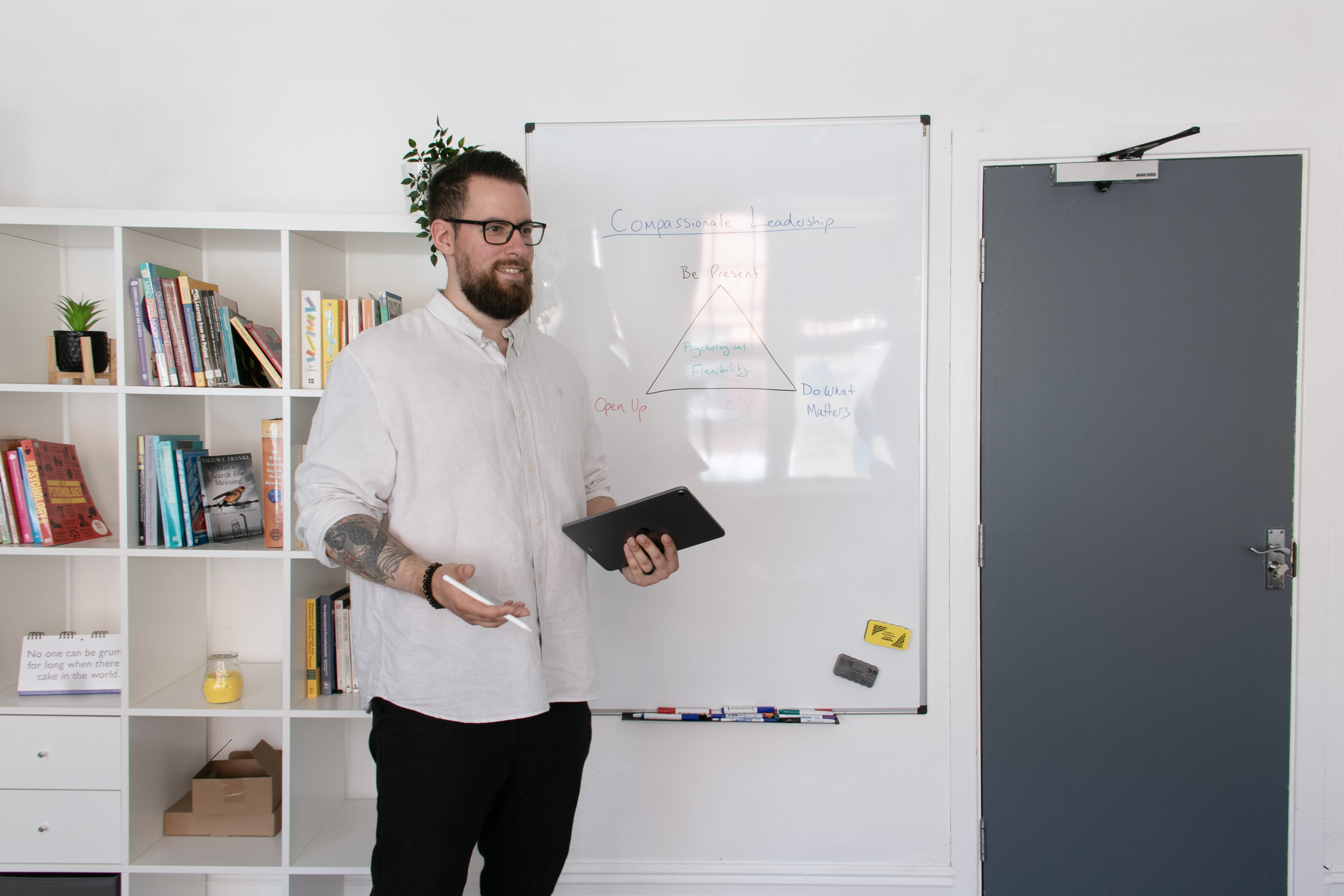
Jolian Ardolino
NCPS-accredited Counsellor & Psychotherapist (MSc Psychological Sciences, Level 5 Diploma in Counselling). Jolian works with anxious, burnt-out professionals in Barry, South Wales and online across the UK.
More about Jolian →Take off the lanyard. This space is for you.
Book a free 15-minute consultation with Jolian — no pressure, no waiting list, no GP referral. Just an honest conversation about what's going on.
Book a Free Consultation